Residência Γάδειρος/Gadeiros — Atlantis — Ant Ennae & The Last Dragonfly
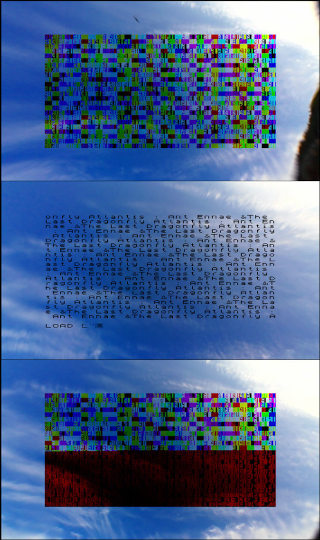
Residência Γάδειρος/Gadeiros do projecto Atlântida Protocolos Diluvianos. Atlantis Diluvian Protocols é um projecto de investigação e de longa duração, em arte-ciência, que combina artes imaginárias, (bio-)electrónicas, computacionais e jogáveis, conduzido por André Sier e produzido pela ArteCódigo, que decorre desde 2016. A nível nacional, Atlântida Protocolos Diluvianos é apoiado pela DGArtes e pela Câmara Municipal de Águeda, para concretização desde Agosto de 2026 até Dezembro de 2027. O projecto articula residências de investigação e trabalho de campo, oficinas de co-criação de conteúdos, residências de criação eco-tecnológicas resilientes, parcerias nacionais e internacionais, e a produção de obras que cruzam arqueologia, mitologia, tradições, filosofia, com áreas artísticas de escultura, desenho, som, fotografia, instalação, vídeo, código, interactividade, interfaces, jogos e poesia.
Published on November 16, 2026 by artecódigo
ArteCódigo André Sier Atlântida Atlântida Protocolos Diluvianos Atlantis Atlantis Diluvian Protocols ArteCódigo SRAM ArteCódigo LXYS Residência Residence Atlantis Residência Gadeiros Atlantis Γάδειρος Residence Mitologia Arqueologia Tradições Filosofia Poesia Vídeo Cinema
37 min READ
Atlântida Protocolos Diluvianos — Residência Gadeiros / Γάδειρος Residence — Atlantis: Ant Ennae & The Last Dragonfly
Atlântida Protocolos Diluvianos — Residência Gadeiros
Residência Γάδειρος — Atlantis: Ant Ennae & The Last Dragonfly
André Sier · Residência Gadeiros · Novembro 2026 · ArteCódigo SRAM & ArteCódigo LXYS
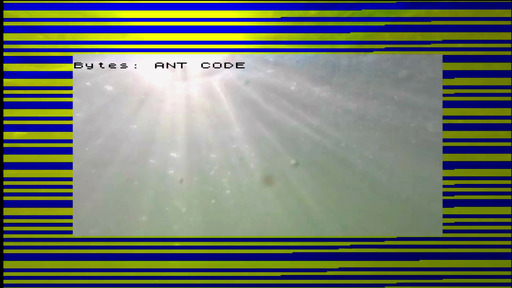
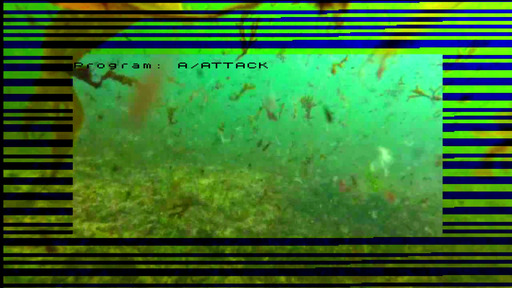
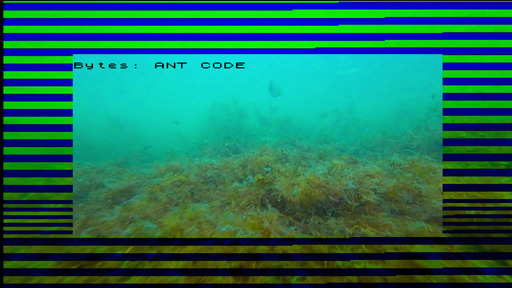
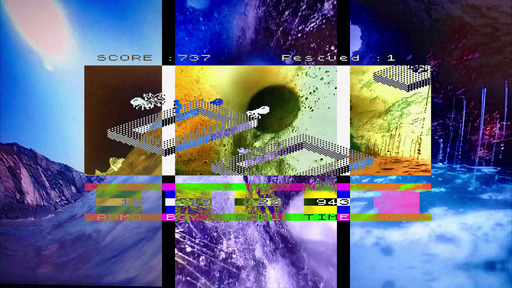 Fotograma do vídeo Atlantis: Ant Ennae & The Last Dragonfly, (c) André Sier 2026.
I. A borda
καὶ πάλιν δι᾽ εἰωθότων ἐτῶν ὥσπερ νόσημα ἥκει φερόμενον αὐτοῖς ῥεῦμα οὐράνιον καὶ τοὺς ἀγραμμάτους τε καὶ ἀμούσους ἔλιπεν ὑμῶν, ὥστε πάλιν ἐξ ἀρχῆς οἷον νέοι γίγνεσθε, οὐδὲν εἰδότες οὔτε τῶν τῇδε οὔτε τῶν παρ᾽ ὑμῖν, ὅσα ἦν ἐν τοῖς παλαιοῖς χρόνοις.
— E de novo, após o intervalo habitual de anos, como uma praga, chega um fluxo do céu que vos atinge, e entre vós só restam os iletrados e incultos, de modo que, de novo, desde o início, vos tornais como que jovens, não sabendo nada, nem das coisas daqui nem das coisas entre vós, das que existiam nos tempos antigos.
— Timaeus 23a-b
gémeo do centro, fiquei na borda.
Atlas que gira nos anéis do tudo;
eu guardo a boca do estreito,
onde o mar deixa de ser navegável.
pastor de formigas, pastor do nada,
subo com os peixes aos montes antes da água.
quem é da cidade vai nos rios.
quem é do mar, do chão, fica — tudo, não nada.
— André Sier, “Eumelos”, residência Γάδειρος
A residência Γάδειρος — Gadeiros, como os gregos chamavam à terra de onde o estreito guarda a boca — é a terceira etapa residente do projecto Atlântida — Protocolos Diluvianos, um ciclo de trabalho de campo que a ArteCódigo tem acompanhado desde 2025. Segue-se à Residência Atlas e ao trabalho de campo em Cabo Verde, onde a água já era o único argumento: a maré como editora, a costa como página que se reescreve a cada ciclo.
Aqui, em Γάδειρος, o dilúvio não vem do mar. Vem de baixo. Vem do chão e do ar. Surte na paisagem como um enxame que não pede licença.
A residência produziu dois vídeos: Atlantis: Ant Ennae & The Last Dragonfly — apresentado neste post — e uma segunda obra, ainda sem título público, centrada na edição cinematográfica não humana e nos temas diluvianos do projecto.
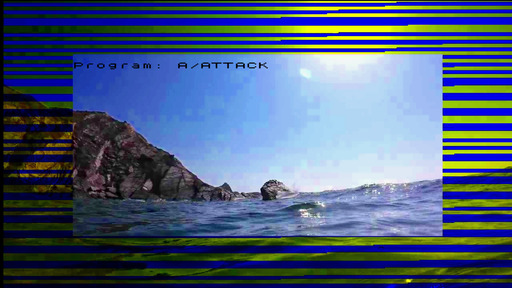
Fotograma do vídeo Atlantis: Ant Ennae & The Last Dragonfly, (c) André Sier 2026.
II. Uma só nota bem tocada
Na obra em vídeo, após o programa carregar, pronto a jogar, Pärt toca. Não foi escolhido, aconteceu. And One of the Pharisees (1992) — três vozes masculinas, o texto de Lucas 7:36–50, a mulher que lava os pés com lágrimas — entra no estúdio como entra a luz: sem convite, com a naturalidade de quem já sabia que estava ali.
I entered into thine house, thou gavest me no water for my feet: but she hath washed my feet with tears, and wiped them with the hairs of her head.
— Lucas 7:44, em Arvo Pärt, And One of the Pharisees
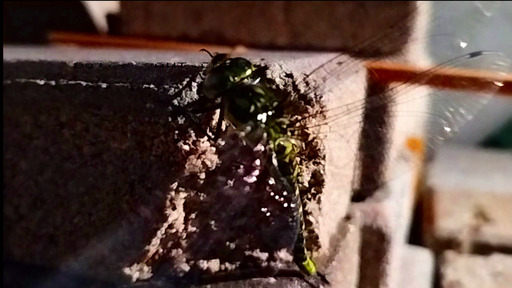
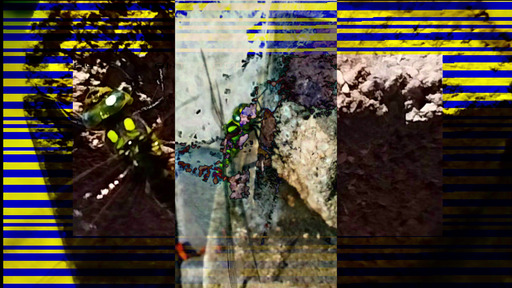
Fotogramas do vídeo Atlantis: Ant Ennae & The Last Dragonfly, (c) André Sier 2026.
Lavar com água. Lavar com lágrimas. Lavar com o que se tem. A libélula é banhada pela concha da mão — um baptismo sem nome, quase um baptismo. Pärt não sabia que estava a compor uma partitura para uma libélula. O estúdio não sabia que estava a preparar um dilúvio.
Vom Wasser haben wir’s gelernt,
Vom Wasser!
Das hat nicht Rast bei Tag und Nacht,
Ist stets auf Wanderschaft bedacht,
Das Wasser.
Da água é que aprendemos,
Da água!
Que não tem descanso dia nem noite,
Que está sempre em caminhada,
A água.
— Wilhelm Müller, Wanderschaft
Müller escreveu esta estrofe para Rose, die schöne Müllerin, mas aqui ela é a partitura de tudo o que desce. O outro Müller também escreveu para a água, depois da explosão. A rebentação, o que importa no meio do desdém, nas ruínas da Europa.
Ich war Hamlet. Ich stand an der Küste und redete mit der Brandung BLABLA, im Rücken die Ruinen von Europa.
Eu era Hamlet. Eu estava na costa e falava com a ondulação BLABLA, às costas as ruínas da Europa.
— Heiner Müller, Hamletmachine
A água não pede. A água não espera. Escorre. Ondula. Rebenta. A água está sempre em errância, talvez mesmo em peregrinação. E a luz — a luz que o prisma separa — é o contrário, e é o mesmo.
a luz branca contém.
todas as cores.
margem.
e só o prisma as separa.
o prisma é quem ouve. margem.
eu fui para a margem rebentar com a rebentação.
e a rebentação não respondeu:
margem.
tinha o dilúvio na boca.
a claridade e o breu,
margem.
o mesmo estreito.
a claridade é o breu
margem.
teu,
um deles sabe que é meu.
— André Sier, “Prisma e Margem”, residência Γάδειros
Claridade e breu. Os dois extremos que se ligam no mesmo ponto — a boca do estreito, a concha da mão, a nota de Pärt que sustenta o silêncio antes da água descer. Carson diz que não há interruptor principal nas palavras humanas. Mas há pequenos sequestros na escuridão. E depois a teia luminosa, grande, tremeluzente, que fica na cabeça, reluzente, quando se volta a página.
Prowling the meanings of a word, prowling the history of a person, no use expecting a flood of light. Human words have no main switch. But all those little kidnaps in the dark.
— Anne Carson, Nox
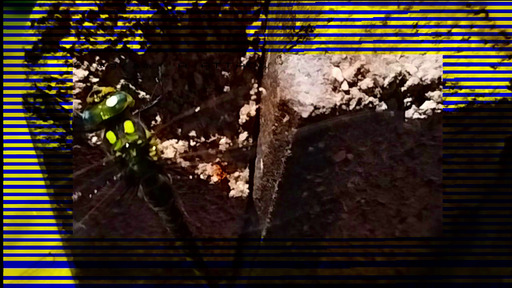
Fotograma do vídeo Atlantis: Ant Ennae & The Last Dragonfly, (c) André Sier 2026.
III. A bolha
On a flowering meadow, every insect is thus surrounded by its very own bubble which “represents each animal’s environment and contains all the features accessible to the subject” and in each of which “a new world arises.”
— Jakob von Uexküll, A Foray into the Worlds of Animals and Humans
Uexküll chamou-lhe Umwelt: o mundo que cada criatura habita, poroso, completo, perfeito, solitário. A formiga não vive no estúdio. Vive na sua bolha — um mundo de feromónios, de textura, de ângulos e de tactear de antenas, de vibrações. O que nós chamamos “estúdio” é, para ela, um continente. O que nós chamamos “nacho” é, para ela, um objecto a ser transportado em cortejo — um território, um altar, um corpo colectivo eusocial.
No vídeo, as formigas fazem o que as formigas fazem: penteiam as antenas, carregam, dançam nos relevos, orquestram as margens, vibram no silêncio. Não há encenação. Há uma orquestração que não é nossa. Uma margem coreografia que pede não coreógrafo. O enxame é a partitura. A música perpétua.
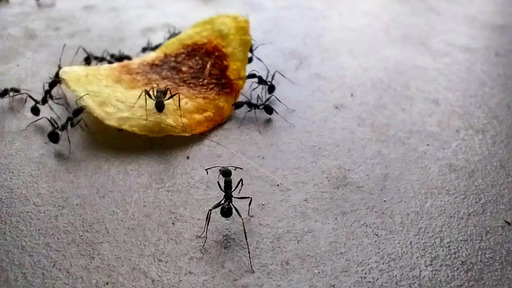
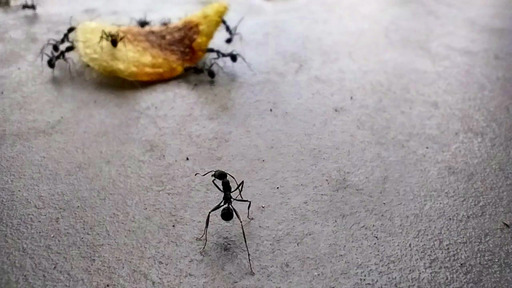
Fotogramas do vídeo Atlantis: Ant Ennae & The Last Dragonfly, (c) André Sier 2026.
All animal subjects, from the simplest to the most complex, are inserted into their environments to the same degree of perfection.
— Jakob von Uexküll, A Foray into the Worlds of Animals and Humans
A mesma perfeição. A formiga e a libélula e o homem que filma — todos inseridos, todos na bolha, na margem, à margem, todos sem saber que estão a ser vistos por uma câmara que não pertence ao seu Umwelt. O vídeo não documenta. O vídeo é a bolha que a formiga não sabe que existe. A borda margem.
E no Timeu, a água faz o mesmo: sobe de baixo, dissolve a fronteira, e o que era terra torna-se mar.
οἱ δ᾽ ἐν ταῖς παρ᾽ ὑμῖν πόλεσιν εἰς τὴν θάλατταν ὑπὸ τῶν ποταμῶν φέρονται: κατὰ δὲ τήνδε χώραν οὔτε τότε οὔτε ἄλλοτε ἄνωθεν ἐπὶ τὰς ἀρούρας ὕδωρ ἐπιρρεῖ, τὸ δ᾽ ἐναντίον κάτωθεν πᾶν ἐπανιέναι φύσει.
…mas aqueles que estão nas cidades da vossa terra são carregados para o mar pelos rios; ao passo que, na nossa terra, nem então nem em qualquer outro tempo a água corre de cima para os campos — pelo contrário, tudo tende, por natureza, a subir de baixo.
— Timaeus 22d-e
IV. Baptismo sem nome
A libélula estava emaranhada nas teias. Alguém a tirou. Alguém a lavou — a água escorre na concha da mão, o gesto de quem baptiza sem querer saber do nome. Quase te chamei. Depois a soltou. E ela subiu. Mas ficou.
lavei-te da teia das teias,
água erra pela concha da mão,
baptismo que chove sem nome,
margem que te queimou.
chamou.
as formigas,
por encanto,
levitam o nacho em cortejo,
enquanto a que penteia as antenas,
é margem, carregada, penteada,
como um todo nada mundo,
a ser canto.
subiste. nadaste.
nada, disseste.
fui contigo. devagar. nu. silêncio.
margem. para lá da margem.
uma nota bem tocada.
acaraciada. despenteada. basta.
para que a água encantada desça.
— André Sier, “Libélula (Mosca-Dragão)”, residência Γάδειros
O voo final é em câmara lenta. Silêncio. A libélula sobe. O dragão voa. O dilúvio desce. Não há contra-corte — há apenas os dois movimentos, simultâneos, no mesmo espaço de tempo. O que sobe não é o oposto do que desce. É a mesma água, a mesma luz, a mesma nota de Pärt vista dos dois ângulos, na lente, objectiva.
Suns may set and rise again,
But we, with our brief light, set but once.
Night is a never-ending sleep.
— Anne Carson, Nox (tradução de Catulo 101)
A libélula não se põe. Banhada e baptizada. Acariciada. Mas o dilúvio pousa. E o que fica submerso no chão — as formigas, o nacho, o estúdio — é a noite perpétua. A nox que não termina.
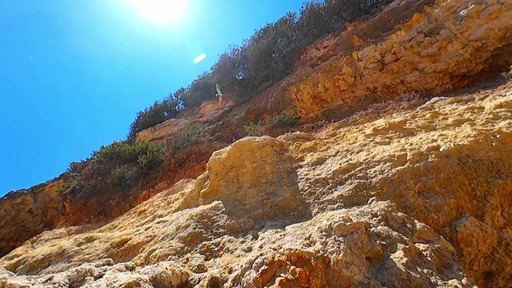
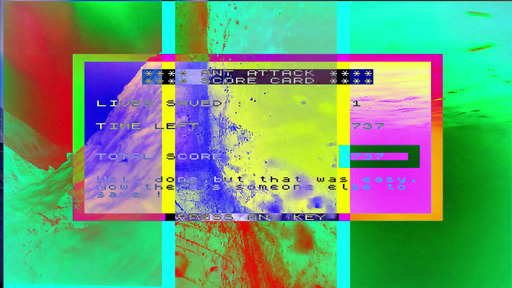
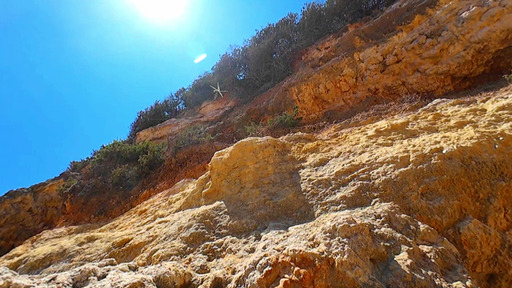
Fotogramas do vídeo Atlantis: Ant Ennae & The Last Dragonfly, (c) André Sier 2026.
V. O que se impõe
As filmagens desta residência não foram planeadas como se planeia. Foram investigação literária e poética — um trabalho de campo onde o material se impõe, avassalador, antes de ser escolhido. As formigas entraram no estúdio e levaram o nacho. A libélula apareceu emaranhada. Pärt tocou. O laser do NatureWare #02 cortou o espaço com a precisão de uma sentença.
Não houve enquadramento prévio. Houve um ZX Spectrum a carregar um jogo sobre a luz do fundo do mar — um jogo que se joga em terra e na água, e onde a fronteira se dissolve. O jogo não é sobre formigas. O jogo é sobre a luz que vem de baixo, que sobe, que dissolve o limite entre o que é sólido e o que é líquido. A fronteira terra/água que o Timeu descreve como a condição de toda a civilização — e de toda a sua queda.
«ὑστέρῳ δὲ χρόνῳ σεισμῶν ἐξαισίων καὶ κατακλυσμῶν γενομένων, μιᾶς ἡμέρας καὶ νυκτὸς χαλεπῆς ἐπελθούσης, τό τε παρ᾽ ὑμῖν μάχιμον πᾶν ἁθρόον ἔδυ κατὰ γῆς, ἥ τε Ἀτλαντὶς νῆσος ὡσαύτως κατὰ τῆς θαλάττης δῦσα ἠφανίσθη.’
— Later, with terrible earthquakes and floods, and a day and night of misfortune occurred, your entire army was swallowed by the earth, and the island of Atlantis, in the same way, was swallowed up. It sank into the sea and disappeared.
— Timaeus 25d
O processo de filmagem é, em si, um Umwelt: a câmara vê o que a formiga não sabe que está a ser vista. O sensor, também actuador, revela o que o olho não alcança. O jogo carrega a luz do fundo do mar e dissolve a fronteira. E tudo isto acontece antes da edição — antes de alguém decida o que fica e o que vai. A edição, aqui, não é escolha. É sobrevivência. É o que o enxame deixa para trás quando parte.
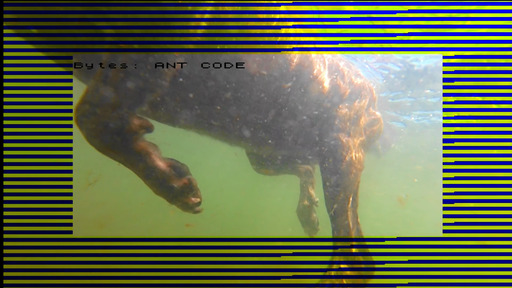
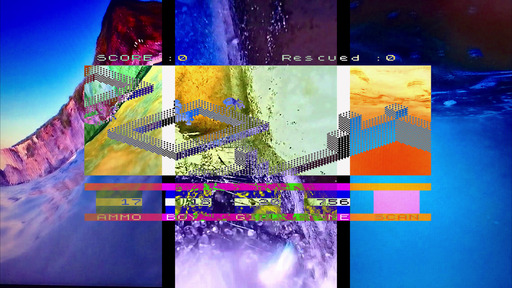
Fotogramas do vídeo Atlantis: Ant Ennae & The Last Dragonfly, (c) André Sier 2026.
VI. Formigas e libélulas atlantes no NatureWare #02 — Live Laser & Sound in the Wild
Atlantis: Ant Ennae & The Last Dragonfly estreou em NatureWare #02, a segunda edição do ciclo anual NatureWare da ArteCódigo que exibe obras de artistas fora do museu, fora da galeria, em diálogo directo com a natureza.
Esta edição do ciclo NatureWare contou com trabalhos vídeo de 18 artistas convertidos para projecção de laser monocromático e de som em ambiente natural aberto — uma ecologia de obras que não pedem vitrina.
Os vídeos dos artistas, performados para a natureza, foram filmados de ponto fixo que visiona as obras projectadas directamente em laser e som sobre uma pequena porção de natureza selvagem, por entre tempestades, capturando esse diálogo crú, como o som de uma árvore a cair no meio de uma floresta inabitada de seres humanos para o ouvir.
Os trabalhos vídeo convertidos em laser em diálogo com uma natureza estão integralmente patentes na galeria p0ntus da ArteCódigo, de 14 de Novembro até 14 de Janeiro de 2027.
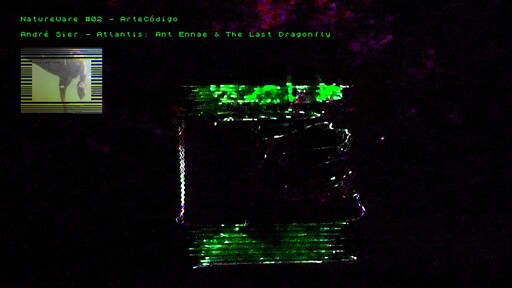
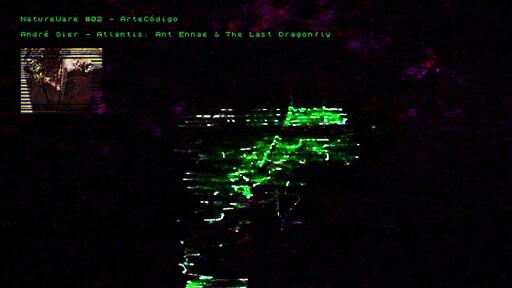
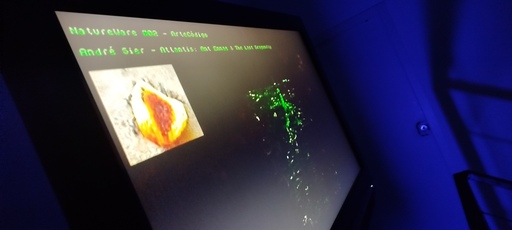
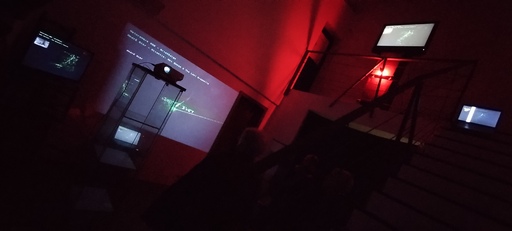
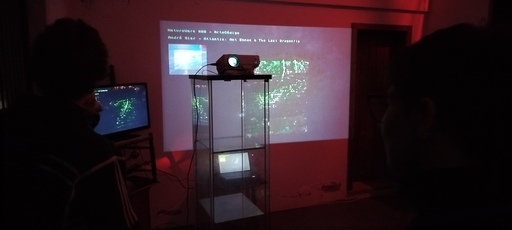
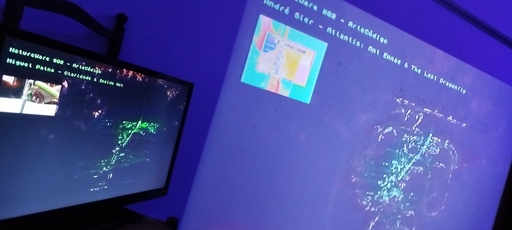
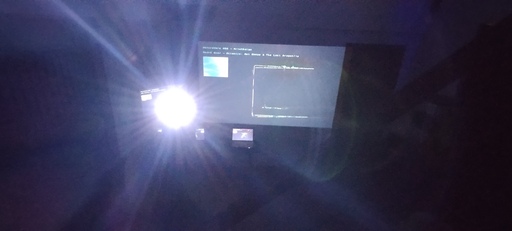
Fotogramas da obra video Atlantis: Ant Ennae & The Last Dragonfly convertida em laser em exposição na galeria p0ntus, (c) André Sier 2026.
Atlantis: Ant Ennae & The Last Dragonfly — Vídeo HD monocanal, 26’41’’, cor, som estéreo, André Sier 2026. Um estrato Neon Paleolítico Atlante tornado visível. O ZX Spectrum carrega um jogo sobre a luz do fundo do mar — o jogo joga-se em terra e na água, e a fronteira dissolve-se. A última libélula é banhada como quem baptiza. Depois, o enxame: formigas em cortejo, uma delas penteia as antenas, é carregada num nacho pelas outras — um gesto que parece orquestrar. Pärt toca, por acaso, And One of the Pharisees. O vídeo encerra num voo em câmara lenta, em silêncio: a libélula sobe, e o dilúvio desce.
VII. A água desce
Ich legte mich auf den Boden und hörte die Welt ihre Runden drehn im Gleichschritt der Verwesung.
Deitei-me no chão e ouvi o mundo dar as suas voltas em passo de decomposição.
— Heiner Müller, Hamletmachine
O dilúvio que vem, não é uma metáfora. É uma condição. É uma metonímia cíclica, recorrente. Grão de areia de praias infinitas em cascatas. No Timeu, é o intervalo regular, o intervalo habitual dos anos, entre uma civilização e a vindoura, próxima, vizinha. Galáxias que se cruzam, que se interligam numa hélice espiralada genética, trans-aespacial-atemporal, quântica, filosófica, arqueológica, poética. Entre uma luz e o intervalo para a claridade do breu, próxima, num indescernimento contínuo. Entre uma libélula e uma formiga. Guardadas por uma cão, regrados e desregrados num programa, num computador, em computa-acção. Dilúvio carregado em jogo, o dilúvio das margens, o dilúvio das formigas e das libélulas, o dilúvio lança os dados e dá-se a voar jogar.
CHIEN
Le chien
Le chien mord les chrétiens
Vient un païen
Le chien mord le païen
Vient un vaurien
Le chien mord le vaurien
Vient un Libyen
Le chien mord le Libyen
Vien un Martien
Le chien mord le Martien
Pourquoi ? Le chien n’en sait rien
— Chris Marker, “Le Chien” in Immemory
A luz sobe. A água desce. O prisma rocha separa. O enxame surte, carrega, levita. A libélula voa, paira, emaranha-se, banha-se, resplandesce. E o jogo corre, dissolve, baptiza. A cão trás a bola, e guarda o nada, e guarda o tudo. Obedece, como quem nunca obedece, morde, como quem sempre mordeu, sem véus, nua.
E a boca do estreito — Γάδειρος, Eumelos, a borda — guarda o que não é navegável. Na margem. À margem.
quem é da cidade vai nos rios. quem é do mar e do chão, fica — tudo, não nada.
Fica. E espera. E guarda morde. E a água, que não tem descanso dia nem noite, que erra, que morde, que bate na pedra dura, a água que peregrina, que água que oscila, a água que vagueia, que vibra, que rebenta, que chega.
A água desce.
 Bonjour Avec Plusieurs des Soleils,

 Le Chien Réveille le Noire Sommeil

 Andròmede, Le Chien Se Récline dans un long fauteille

 Vers L'inconnue, Rien, Prèsque Rien,

 Éveil, Oreille, Vermeil

 [ à C. M. ~ ~ ~ XPlugzzzzzz ~ ~ ~ Bonjour Chris ]

               .  ....;;,.. .;;,,....'.
               .. ..   ......  .''.'...',.
                ..     ...',;'... .  ...,'.
                     .':loxodd;.     ..'','.
              .'       .;dxxc..''.  .d:.,,,.
              ....'  .. .,o, .,lo'  .xd;'..
              ',:c   .d, ..  ..oc  c:ddl'.
              '.;l...co.  .'   .l; ;odxx'.
               ..d:.;l.   .l.   .dkxxxkxc..
               .':d,cc  .,,ll'  ,cdddddoc..
                .':cdo;'',;:cc,.ooddddo:''..
               ...,cdolc,,;cll..cdxxdo;'''.
             .;,. .;ldoo.,:col.'oxkxx:..'''.
            .......;lxo,      ..oxOkxc ..''
             .    'cdxl. ...   .cxxkkk:''..
           ......,:oddc,.':.   .'dxkkkx:::;;;:,.

 "Good me thirsty"

                  ,O0Oxo;.    ;,
                  ;KXXXXXKkl;';
    ';'.           d0KKKKKX00Oc
      .,;;,.       .ok0KXXXXXKXXc
      .,;;;.         :xxk0XXX0XMWk
    ';..              :OocodxkKNNX.
                      o0o,:c,.....
                    :kO0kddxxo'
                       .....

 'xOkdc'.    ,.
 ,KXXXXXKxc,';
  o0KKKKKXK0k:
  .ok0KXXXXXKNK:
    :xxk0KXX0NMWk.
     cOllodkkXNWN,        .
     d0l'::,.....
   :k00xoddxl.
     .......

 "Koko good dragonbird"

 Tu viens presque, ou quoi?

 — André Sier, "Bonjour Andròmede", residência espaço CnAii
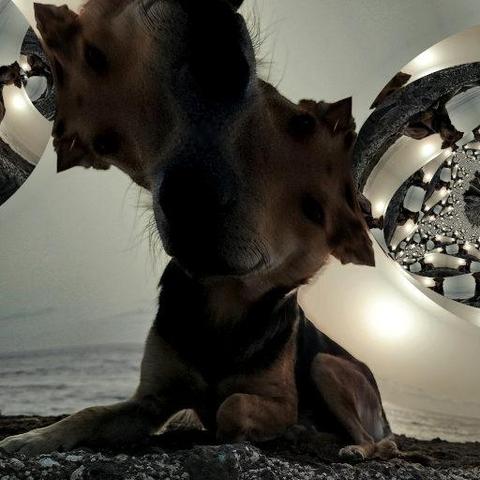
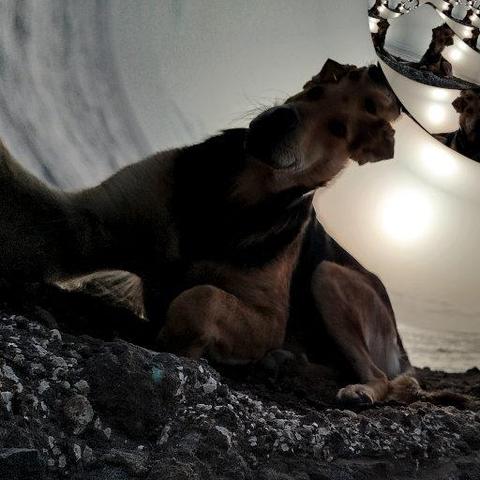
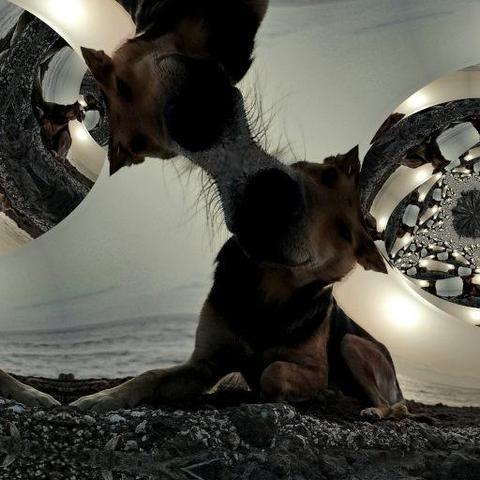
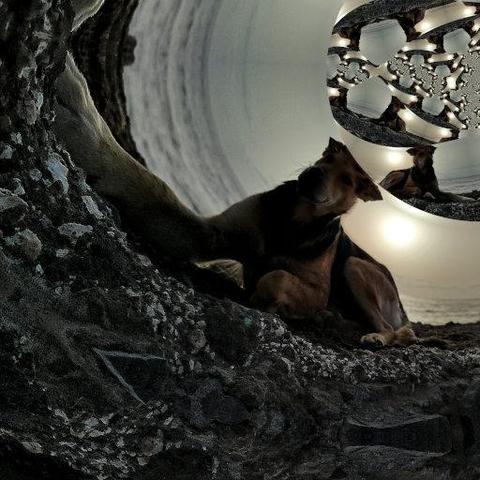
FIMG_20260716_070902_mChien5-512.jpg, FIMG_20260716_070902_mChien6-512.jpg, FIMG_20260716_070902_mChien4-512.jpg, FIMG_20260716_070902_mChien3-512.jpg , (c) André Sier 2026.
André Sier · ArteCódigo · Residência Γάδειρος/Gadeiros · Novembro 2026. Projecto: Atlântida — Protocolos Diluvianos (2016–2027+)
Atlantis Diluvian Protocols — Gadeiros Residence
Γάδειρος Residence — Atlantis: Ant Ennae & The Last Dragonfly
André Sier · Gadeiros Residence · November 2026 · ArteCódigo SRAM & ArteCódigo LXYS
Still from video Atlantis: Ant Ennae & The Last Dragonfly, (c) André Sier 2026.
I. The edge
καὶ πάλιν δι᾽ εἰωθότων ἐτῶν ὥσπερ νόσημα ἥκει φερόμενον αὐτοῖς ῥεῦμα οὐράνιον καὶ τοὺς ἀγραμμάτους τε καὶ ἀμούσους ἔλιπεν ὑμῶν, ὥστε πάλιν ἐξ ἀρχῆς οἷον νέοι γίγνεσθε, οὐδὲν εἰδότες οὔτε τῶν τῇδε οὔτε τῶν παρ᾽ ὑμῖν, ὅσα ἦν ἐν τοῖς παλαιοῖς χρόνοις.
— And again, after the usual interval of years, like a plague, a flood comes from the sky that strikes you, and among you remain only the illiterate and uncultured, so that, once more, from the beginning, you become like young people, knowing nothing, neither of the things here nor of the things among you, of those that existed in ancient times.
— Timaeus 23a-b
twin of the center, I stayed on the edge.
Atlas that spins in the rings of everything;
I guard the mouth of the strait,
where the sea ceases to be navigable.
shepherd of ants, shepherd of nothing,
I climb with the fish to the hills before the water.
those from the city go with the rivers.
those from the sea, from the ground, stay — all, not nothing.— André Sier, “Eumelos”, Γάδειρος residence
The Γάδειρος residency — Gadeiros, as the Greeks called the land where the strait guards the mouth — is the third residential stage of the Atlantis — Diluvian Protocols project, a fieldwork cycle that ArteCódigo has been following since 2025. It follows the Atlas Residency and the fieldwork in Cape Verde, where water was already the sole argument: the tide as editor, the coast as a page that is rewritten with each cycle.
Here in Γάδειρος, the deluge doesn’t come from the sea. It comes from below. It comes from the ground and the air. It bursts across the landscape like a swarm that asks no permission.
The residency produced two videos: Atlantis: Ant Ennae & The Last Dragonfly — presented in this post — and a second work, still without a public title, focused on non-human film editing and the diluvian themes of the project.
Still from video Atlantis: Ant Ennae & The Last Dragonfly, (c) André Sier 2026.
II. A single well-played note
In the video, after the program loads, ready to play, Pärt plays. It wasn’t chosen, it just happened. And One of the Pharisees (1992) — three male voices, the text of Luke 7:36–50, the woman washing feet with tears — enters the studio like light: uninvited, with the naturalness of someone who already knew they were there.
I entered into thine house, thou gavest me no water for my feet: but she hath washed my feet with tears, and wiped them with the hairs of her head.
— Luke 7:44, in Arvo Pärt, And One of the Pharisees
Still from video Atlantis: Ant Ennae & The Last Dragonfly, (c) André Sier 2026.
Wash with water. Wash with tears. Wash with what one has. The dragonfly is bathed by the palm of the hand — a nameless baptism, almost a baptism. Pärt didn’t know he was composing a score for a dragonfly. The studio didn’t know it was preparing a deluge.
Vom Wasser haben wir’s gelernt,
Vom Wasser!
Das hat nicht Rast bei Tag und Nacht,
Ist stets auf Wanderschaft bedacht,
Das Wasser.
From water we learn,
From water!
That has no rest day or night,
That is always on the move,
Water.
— Wilhelm Müller, Wanderschaft
Müller wrote this stanza for Rose, die schöne Müllerin, but here it is the score of everything that descends. The other Müller also wrote for the water, after the explosion. The breaking waves, what matters amidst the disdain, in the ruins of Europe.
War of Ich Hamlet. Ich stand an der Küste und redete mit der Brandung BLABLA, im Rücken die Ruinen von Europa.
I was Hamlet. I was on the shore and spoke to the surf BLABLA, on the shore the ruins of Europe.
Heiner Müller, Hamletmachine
Water doesn’t ask. Water doesn’t wait. It flows. It ripples. It bursts. Water is always wandering, perhaps even on a pilgrimage. And light — the light that the prism separates — is the opposite, and yet it is the same.
white light contains.
all colors.
shore.
and only the prism separates them.
the prism is the one who listens. shore.
I went to the shore to burst with the breaking waves.
and the breaking waves didn’t answer:
shore.
it had the deluge in its mouth.
the brightness and the darkness,
shore.
the same strait.
the brightness is the darkness
shore.
yours,
one of them knows it’s mine.
(André Sier, “Prism and Shore”, Γάδειros residence)
Brightness and darkness. The two extremes that connect at the same point — the mouth of the strait, the cup of the hand, Pärt’s note that sustains the silence before the waters descend. Carson says there is no main switch in human words. But there are small kidnaps in the darkness. And then the luminous, large, shimmering web that remains in the head, gleaming, when the page is turned.
Prowling the meanings of a word, prowling the history of a person, no use expecting a flood of light. Human words have no main switch. But all those little kidnaps in the dark.
—Anne Carson, Nox
Still from video Atlantis: Ant Ennae & The Last Dragonfly, (c) André Sier 2026.
III. The bubble
On a flowering meadow, every insect is thus surrounded by its very own bubble which “represents each animal’s environment and contains all the features accessible to the subject” and in each of which “a new world arises.”
— Jakob von Uexküll, A Foray into the Worlds of Animals and Humans
Uexküll called it Umwelt: the world that each creature inhabits, porous, complete, perfect, solitary. The ant doesn’t live in the studio. It lives in its bubble — a world of pheromones, texture, angles, and the groping of antennae, vibrations. What we call a “studio” is, for it, a continent. What we call a “nacho” is, for her, an object to be carried in procession — a territory, an altar, an eusocial collective body.
In the video, the ants do what ants do: they comb their antennae, carry things, dance on the reliefs, orchestrate the edges, vibrate in the silence. There is no staging. There is an orchestration that is not ours. A choreographic shore that demands no choreographer. The swarm is the score. The perpetual music.
Photos from video Atlantis: Ant Ennae & The Last Dragonfly, (c) André Sier 2026.
All animal subjects, from the simplest to the most complex, are inserted into their environments to the same degree of perfection.
— Jakob von Uexküll, A Foray into the Worlds of Animals and Humans
The same perfection. The ant and the dragonfly and the man filming — all embedded, all within the bubble, on the shore, at the margin, all unaware that they are being watched by a camera that doesn’t belong to their Umwelt. The video doesn’t document. The video is the bubble that the ant doesn’t know exists. The edge shore.
And in Timaeus, the water does the same: it rises from below, dissolves the frontier, and what was land becomes sea.
οἱ δ᾽ ἐν ταῖς παρ᾽ ὑμῖν πόλεσιν εἰς τὴν θάλατταν ὑπὸ τῶν ποταμῶν φέρονται: κατὰ δὲ τήνδε χώραν οὔτε τότε οὔτε ἄλλοτε ἄνωθεν ἐπὶ τὰς ἀρούρας ὕδωρ ἐπιρρεῖ, τὸ δ᾽ ἐναντίον κάτωθεν πᾶν ἐπανιέναι φύσει.
… but those who are in the cities of their land are carried to the sea by the rivers; whereas, in our land, neither then nor at any other time does the water flow from above to the fields — on the contrary, everything tends, by nature, to rise from below.
— Timaeus 22d-e
IV. Baptism without a name
The dragonfly was entangled in the webs. Someone pulled it out. Someone washed it — the water runs down the palm of their hand, the gesture of one who baptizes without wanting to know the name. I almost called you. Then released it. And it rose. But it stayed.
I washed you from the web of webs,
water wanders through the palm of the hand,
baptism that rains nameless,
shore that burned you.
called.
the ants,
by enchantment,
levitate the nacho in procession,
while the one that combs its antennae,
is shore, laden, combed,
like a whole nothing/swims world,
being song.
you rose. you swam.
nothing, you said.
I went with you. slowly. naked/in. silence.
shore. Beyond the shore.
a well-played note.
caressed. disheveled. enough.
so that the enchanted water may descend.
— André Sier, “Dragonfly (Dragon Fly)”, Γάδειros residence
The final flight is in slow motion/camera. Silence. The dragonfly rises. The dragon flies. The deluge descends. There is no counter-cut — there are only the two movements, simultaneous, in the same space of time. What rises is not the opposite of what descends. It is the same water, the same light, the same note by Pärt seen from both angles, in the lens, objective.
Suns may set and rise again, But we, with our brief light, set but once. Night is a never-ending sleep.
— Anne Carson, Nox (translation of Catulo 101)
The dragonfly does not set. Bathed and baptized. Caressed. But the deluge settles. And what remains submerged in the ground — the ants, the nacho, the studio — is the perpetual night. The nox that never ends.
Photos from the video Atlantis: Ant Ennae & The Last Dragonfly, (c) André Sier 2026.
V. What is imposed
The filming of this residency wasn’t planned as one plans. It was literary and poetic investigation — a fieldwork where the material imposes itself, overwhelming, before being chosen. The ants entered the studio and took the nacho. The dragonfly appeared tangled. Pärt played. The laser of NatureWare #02 cut through space with the precision of a sentence.
There was no prior framing. There was a ZX Spectrum loading a game above the light of the seabed — a game that is played on land and in water, and where the frontier dissolves. The game isn’t about ants. The game is about the light that comes from below, that rises, that dissolves the boundary between what is solid and what is liquid. The land/water frontier that Timaeus describes as the condition of all civilization — and of all its fall.
«ὑστέρῳ δὲ χρόνῳ σεισμῶν ἐξαισίων καὶ κατακλυσμῶν γενομένων, mιᾶς | κατὰ τῆς θαλάττης δῦσα ἠφανίσθη.’
— Later, with terrible earthquakes and floods, and a day and night of misfortune occurred, your entire army was swallowed by the earth, and the island of Atlantis, in the same way, was swallowed up. It sank into the sea and disappeared.
— Timaeus 25d
The filming process is, in itself, an Umwelt: the camera sees what the ant doesn’t know it’s being seen. The sensor, also an actuator, reveals what the eye cannot reach. The game carries the light from the seabed and dissolves the boundary. And all this happens before editing — before anyone decides what stays and what goes. Editing, here, is not a choice. It’s survival. It’s what the swarm leaves behind when it departs.
Photos from the video Atlantis: Ant Ennae & The Last Dragonfly, (c) André Sier 2026.
VI. Atlantean Ants and Dragonflies at NatureWare #02 — Live Laser & Sound in the Wild
Atlantis: Ant Ennae & The Last Dragonfly premiered at NatureWare #02, the second edition of ArteCódigo’s annual NatureWare cycle, which showcases works by artists outside the museum, outside the gallery, in direct dialogue with nature.
This edition of the NatureWare cycle featured video works by 18 artists converted to monochromatic laser and sound projection in an open natural environment — an ecology of works that don’t ask a display case.
The artists’ videos, performed for nature, were filmed from a fixed point, viewing the works projected directly in laser and sound onto a small portion of wilderness, amidst storms, capturing this raw dialogue, like the sound of a tree falling in the middle of a forest uninhabited by humans to hear it.
The video works converted into laser in dialogue with nature are fully on display at the ArteCódigo gallery p0ntus, from November 14th to January 14th, 2027.
Stills from the video work Atlantis: Ant Ennae & The Last Dragonfly converted into laser image on display at the p0ntus gallery, (c) André Sier 2026.
Atlantis: Ant Ennae & The Last Dragonfly — Single-channel HD video, 26’41’’, color, stereo sound, André Sier 2026. A Neon Paleolithic Atlantean stratum made visible. The ZX Spectrum loads a game about the light of the seabed — the game is played on land and in the water, and the frontier dissolves. The last dragonfly is bathed as if baptizing. Then, the swarm: ants in procession, one of them combs its antennae, is carried on a nacho by the others — a gesture that seems to orchestrate. Pärt plays, by chance, And One of the Pharisees. The video ends in a slow-motion flight, in silence: the dragonfly rises, and the deluge descends.
VII. The water descends
Ich legte mich auf den Boden und hörte die Welt ihre Runden drehn im Gleichschritt der Verwesung.
I lay on the ground and heard the world turn in the same decomposition rhythm.
— Heiner Müller, Hamletmachine
The coming deluge is not a metaphor. It is a condition. It is a cyclical, recurring metonymy. Grains of sand from endless beaches into waterfalls. In Timaeus, it is the regular interval, the habitual interval of the years, between one civilization and the forthcoming, the next, the neighbor. Galaxies that intersect, that interconnect in a spiraling genetic, trans-aspatial-atemporal, quantum, philosophical, archaeological, poetic helix. Between a light and the interval leading to the clarity of the darkness, nearby, in a continuous indiscernment. Between a dragonfly and an ant. Guarded by a dog, regulated and unregulated in a program, in a computer, in compute-action. A flood loaded in game, the flood of the shores, the flood of ants and dragonflies, the flood rolls the dice and offers itself flying playing.
CHIEN
Le chien
Le chien mord les chrétiens
Vient un païen
Le chien mord le païen
Vient un vaurien
Le chien mord le vaurien
Vient un Libyen
Le chien mord le Libyen
Vien un Martien
Le chien mord le Martien
Pourquoi ? Le chien n’en sait rien
— Chris Marker, “Le Chien” in Immemory
The light rises. The water descends. The prism rock separates. The swarm surges, carries, levitates. The dragonfly flies, hovers, entangles, bathes, shines. And the game runs, dissolves, baptizes. The dog brings the ball, and guards the nothing, and guards the everything. It obeys, as one who never obeys, bites, as one who has always bitten, without veils, naked.
And the mouth of the strait — Γάδειρος, Eumelos, the edge — guards what is not navigable. On the shore. At the edge shore.
Those from the city go to the rivers. Those from the sea and the land stay — everything, not nothing.
It stays. And waits. And guards bites. And the water, which is restless day and night, which errs, which bites, which beats against the hard stone, the water that wanders, the water that oscillates, the water that roams, that vibrates, that bursts, that arrives.
The water descends.
 Bonjour Avec Plusieurs des Soleils,

 Le Chien Réveille le Noire Sommeil

 Andròmede, Le Chien Se Récline dans un long fauteille

 Vers L'inconnue, Rien, Prèsque Rien,

 Éveil, Oreille, Vermeil

 [ à C. M. ~ ~ ~ XPlugzzzzzz ~ ~ ~ Bonjour Chris ]

               .  ....;;,.. .;;,,....'.
               .. ..   ......  .''.'...',.
                ..     ...',;'... .  ...,'.
                     .':loxodd;.     ..'','.
              .'       .;dxxc..''.  .d:.,,,.
              ....'  .. .,o, .,lo'  .xd;'..
              ',:c   .d, ..  ..oc  c:ddl'.
              '.;l...co.  .'   .l; ;odxx'.
               ..d:.;l.   .l.   .dkxxxkxc..
               .':d,cc  .,,ll'  ,cdddddoc..
                .':cdo;'',;:cc,.ooddddo:''..
               ...,cdolc,,;cll..cdxxdo;'''.
             .;,. .;ldoo.,:col.'oxkxx:..'''.
            .......;lxo,      ..oxOkxc ..''
             .    'cdxl. ...   .cxxkkk:''..
           ......,:oddc,.':.   .'dxkkkx:::;;;:,.

 "Good me thirsty"

                  ,O0Oxo;.    ;,
                  ;KXXXXXKkl;';
    ';'.           d0KKKKKX00Oc
      .,;;,.       .ok0KXXXXXKXXc
      .,;;;.         :xxk0XXX0XMWk
    ';..              :OocodxkKNNX.
                      o0o,:c,.....
                    :kO0kddxxo'
                       .....

 'xOkdc'.    ,.
 ,KXXXXXKxc,';
  o0KKKKKXK0k:
  .ok0KXXXXXKNK:
    :xxk0KXX0NMWk.
     cOllodkkXNWN,        .
     d0l'::,.....
   :k00xoddxl.
     .......

 "Koko good dragonbird"

 Tu viens presque, ou quoi?

 — André Sier, "Bonjour Andròmede", residência espaço CnAii
FIMG_20260716_070902_mChien5-512.jpg, FIMG_20260716_070902_mChien6-512.jpg, FIMG_20260716_070902_mChien4-512.jpg, FIMG_20260716_070902_mChien3-512.jpg , (c) André Sier 2026.
André Sier · ArteCódigo · Γάδειρος/Gadeiros Residence · Novembro 2026. Project: Atlantis — Diluvian Protocols (2016–2027+)